Cameroon’s Colossus Unveiling the Region’s Premier Charcoal Plant
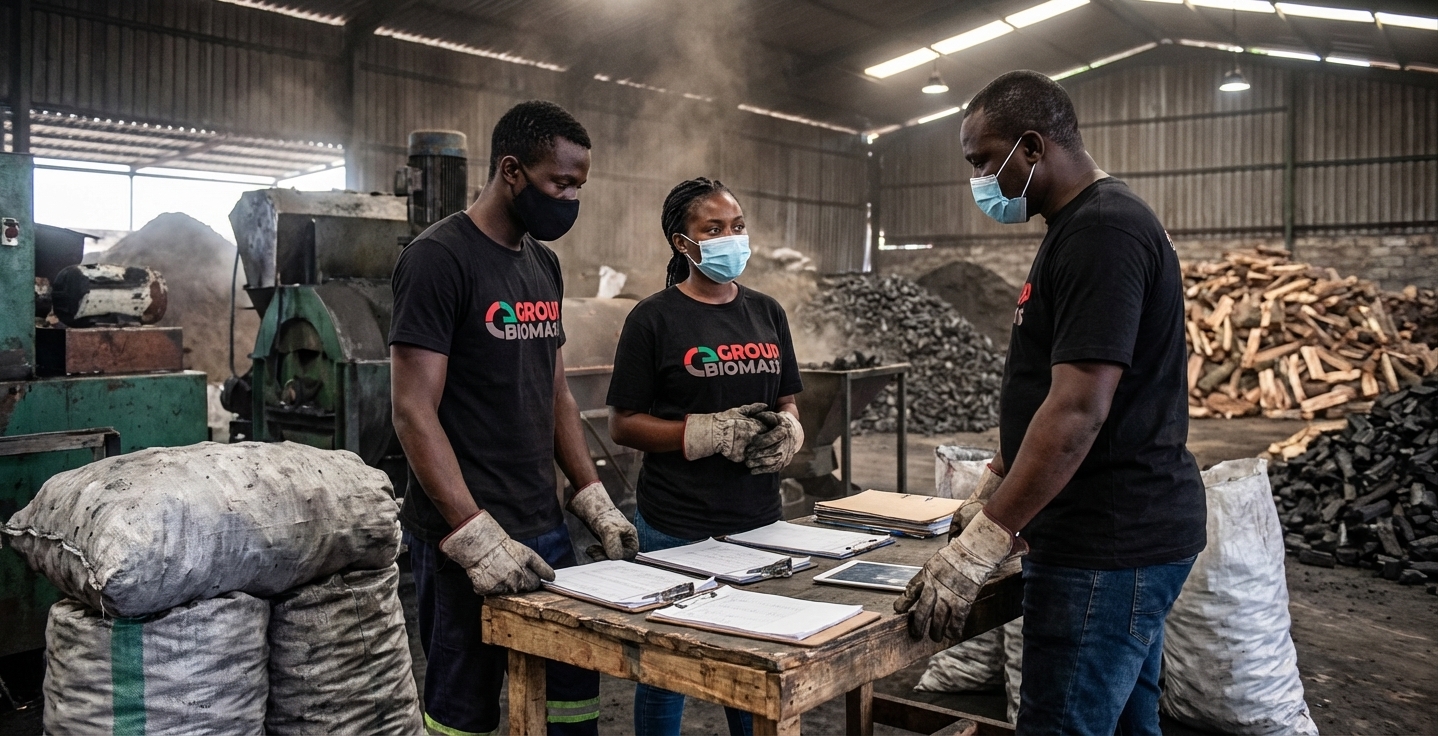
Deep within Cameroon , a massive operation stands as a symbol to the increasing demand for biomass. This production complex, reportedly the country’s largest fuel plant , is drawing attention for both its size and the evident environmental ramifications. While offering jobs for nearby communities, the factory's operations are sparking concerns about responsible forest practices and the overall preservation of the country's woodlands .
Premium Lump Carbon Sale Boom: The Promising Nation
Cameroon is seeing a remarkable surge in hardwood lump carbon shipments, positioning itself as a key source in the global market. Driven by expanding demand from European United States and Asian countries, the nation’s supply of this sustainable fuel is rapidly increasing, offering new prospects for regional farmers and supporting the regional economy. The focus on responsibly harvested timber granulated charcoal is showing to be a major element in gaining global investors.
Inside Cameroon’s Hardwood Lump Charcoal Factory: Production & Sustainability
Stepping within a common Cameroon forest lump charcoal factory reveals a rather straightforward method of production. Untreated hardwood, often collected from responsible forests, are thoroughly logged and moved to a kiln. Here, the timber is gradually cooked with minimal oxygen, a procedure that transforms it into granular charcoal. Despite the traditional methods used can be labor-intensive, increasingly contemporary factories are incorporating better processes and pursuing options to improve their efficiency and ecological sustainability. This encompasses allocating in clean resources and applying thorough scrap handling approaches.
Cameroon's Charcoal Trade : A Key Contributor in Global Shipments
Despite mounting environmental anxieties, Cameroon’s lump charcoal industry remains a surprising yet vital player in the global export market . The manufacture of charcoal from forest biomass is a critical source of income for many of the nation's households , particularly in remote areas . This operation generates a substantial quantity of lump African hardwood lump charcoal charcoal destined for overseas markets , often fueling heating needs in other nations , though this dependence creates problems relating to woodland depletion and responsible woodland stewardship .
Le Choix Entre Charbon de Bois Lump de Bois Dur et Des Briquettes : Une Point de Vue Camerounaise
En le Cameroun , le décision entre un charbon de bois en bloc et les briquettes pose une matière. Traditionnellement, , le charbon de bois dur est privilégié afin de ses saveur distinctif et sa capacité à produire une chaleur forte, appropriée pour la rôtisseries régionales. Toutefois, les briquettes , plus pratiques de acquérir et moins économiques , attirent en popularité , notamment auprès les régions modernes.
Eco-friendly Charcoal Creation : The Future of Cameroon’s Hardwood Business
The current method of charcoal production in Cameroon presents a major threat to its valuable hardwood forests . However, innovative sustainable approaches offer a promising path forward. These encompass technologies like agricultural waste gasification and efficient earth ovens , which reduce deforestation, cut emissions, and offer financial opportunities for local communities . Embracing these eco-friendly solutions is crucial to safeguarding Cameroon's biological heritage and securing the long-term future of its hardwood business while addressing climate change .